

HYBRID EVENT: Join us in person in London, UK or attend virtually from anywhere.

4th Edition of

World Orthopedics Conference

September 24-26, 2026 | London, UK

Ortho 2026

Beyond the growth plate: Orthobiologic therapies in the developing and mature skeleton

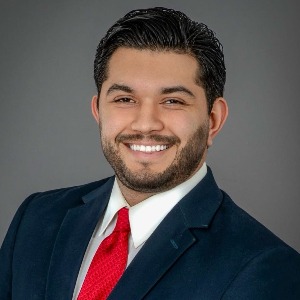
Speaker at World Orthopedics Conference 2026 - Joseph Salem Hernandez
Ponce Health Sciences University - Department of Orthopaedic Surgery, Puerto Rico
Title : Beyond the growth plate: Orthobiologic therapies in the developing and mature skeleton

Abstract:

Introduction: Orthobiologic therapies have become increasingly incorporated into musculoskeletal care as biologically derived materials designed to enhance tissue healing and regeneration. These therapies include Platelet-Rich Plasma (PRP), Bone Marrow Aspirate Concentrate (BMAC), bone graft substitutes, and recombinant growth factors. Although their use has expanded rapidly in adult orthopedics, the role of orthobiologic augmentation across stages of skeletal maturity remains incompletely understood. Differences in bone metabolism, cellular activity, and regenerative capacity between pediatric and adult patients may influence treatment response.

Methods: A narrative review of the literature was conducted to evaluate the biological mechanisms and clinical applications of orthobiologic therapies across stages of skeletal maturity. Published studies examining orthobiologic use in pediatric, adolescent, and adult orthopedic conditions were analyzed to identify key mechanisms, indications, and limitations.

Results: Orthobiologics exert therapeutic effects through osteogenic, osteoinductive, and osteoconductive mechanisms that interact with the host healing environment. In skeletally immature patients, intrinsic regenerative capacity is generally high, often reducing the need for biologic augmentation. However, orthobiologics have demonstrated clinical utility in select pediatric conditions such as spinal fusion augmentation and congenital pseudarthrosis of the tibia. In contrast, adult orthopedic practice demonstrates broader use of biologic therapies for degenerative conditions, tendon disorders, cartilage injury, and spinal fusion.

Conclusion: Orthobiologic therapies represent promising tools for enhancing musculoskeletal healing across stages of skeletal maturity. However, biological differences between pediatric and adult patients highlight the need for maturity-specific indications and further research to optimize their clinical application.

Biography:

Joseph Salem Hernández is a fourth-year medical student at the University of Puerto Rico School of Medicine, expected to graduate in May 2026, with a strong academic focus in orthopaedic surgery and musculoskeletal research. He will serve as an Incoming Orthopaedic Surgery Research Fellow at the Ponce Health Sciences University, Department of Orthopaedic Surgery, where he will continue advancing his clinical and academic contributions to the field. Of Puerto Rican and Lebanese descent, Joseph brings a diverse and global perspective to orthopaedic research. His work spans a broad range of topics including clinical and imaging-related outcomes in distal radius fractures, surgical management of lateral epicondylitis, nerve transfer techniques in brachial plexus injuries, and cross-cultural validation of orthopaedic outcome measures such as the Early-Onset Scoliosis Self-Report Questionnaire (EOSQ-SELF). He has authored and co-authored multiple peer-reviewed publications in journals such as the Journal of Pediatric Orthopaedics, Journal of Hand Surgery Global Online, Heliyon, and Arthroplasty Today, with ongoing work in upper extremity, spine, and arthroplasty research. His research has been presented extensively at national and international conferences, including the AO Orthopaedic Research Summit (Davos), ICEOS (France), and multiple World Orthopaedic Conferences. Joseph is a recipient of the AO Foundation/ON Foundation Education Grant and the Research Travel Award from the Center for Hispanic Excellence. In addition to his research, he serves as Co-President of the Orthopaedic Surgery Interest Group (OSIG) at UPR, where he leads mentorship, education, and professional development initiatives for students pursuing orthopaedics. With a strong foundation in both clinical research and academic leadership, Joseph is committed to advancing evidence-based orthopaedic care and contributing meaningfully to the academic growth of the field.

Watsapp